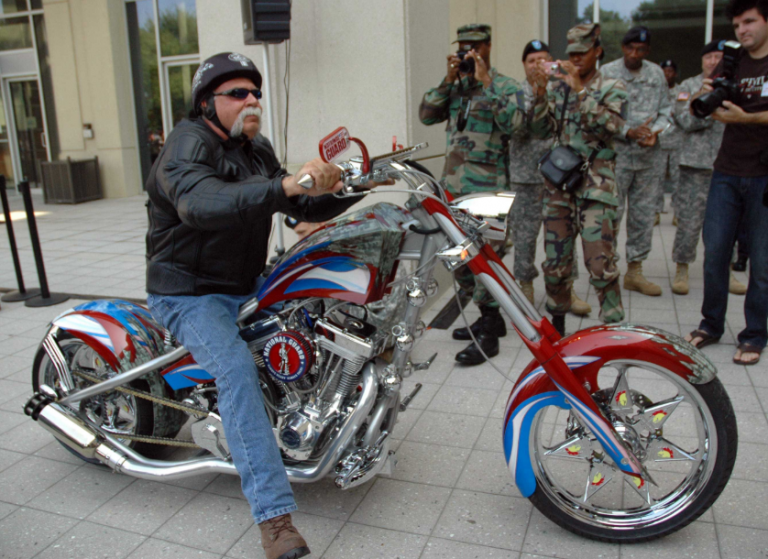
How Old is Paul Sr Orange County Choppers?
Revving through Time: Paul Sr. – Orange County Choppers Timeless Wonder!



Hey there, fellow homeowners looking for a solution to those pesky electricity issues! If you’re tired of living with unstable power, skyrocketing energy bills, and the potential hazards of dirty electricity, you might want to stick around. Today, I’m sharing my thoughts on the Electronin Energy Saver, a device that claims to have the answers…

Hello, responsible homeowners! In an age where ensuring the safety and security of our homes is paramount, the SolarBright FloodLight™ emerges as a reliable solution. This industrial-grade solar floodlight not only dispels darkness but also eliminates the need for adapters or wiring. Join us in this comprehensive review as we explore its features and understand…
Revving through Time: Paul Sr. – Orange County Choppers Timeless Wonder!
Meet the OCC Crew: Churning Sparks & Crafting Dreams!
Unveiling the Gear: Orange County Choppers’ Tech Wizardry!
Title: The Great Vinny Departure: Unraveling the Mystery Behind His Orange County Choppers Farewell Excerpt: In a surprising twist that left the world of custom motorcycles reeling, the charismatic Vinny DiMartino bid farewell to the Orange County Choppers family. But fear not, dear readers, for a tale of adventure and excitement awaits us! Let’s dive into the heartwarming reasons behind Vinny’s decision to spread his wings and fly towards new horizons. Rumors swirled like a summer breeze, painting tales of feuds and disputes among the Teutul clan. However, beneath the surface, a different story unfolded, one that speaks of personal growth, self-discovery, and endless possibilities. As we sat down with Vinny to uncover the truth, his cheerful grin hinted at the exciting chapters that lay ahead. With a twinkle in his eye, he shared, “You know, life is like a high-speed chase, and sometimes you need to switch gears to explore new roads.” As a master of his craft, Vinny yearned for fresh challenges and creative freedom, yearning to create something uniquely his own. The Orange County Choppers legacy had served as a launching pad for his dreams, but now
Vinny’s Vanishing Act: Unraveling the Mystique of Orange County Choppers’ Whimsical Wizard!
Rev up your engines! Orange County Choppers returns, igniting your screens with pure adrenaline. Get ready to ride on!
Where Are They Now? Unraveling the Mysteries of Orange County Choppers!
Revving up the joyride: Orange County Choppers blazing a trail of success!
Revving through the heart of Orange County, a playground of steel horses, lies the legendary Orange County Choppers. But who truly owns this chrome-clad empire? The answer may surprise you! Get ready to be delighted by the tale of the mastermind behind the handlebars. Let’s meet the maestro of motorcycles!
Title: The Extraordinary Journey of Paul Sr. & the Unraveling of Orange County Choppers Excerpt: Unleashing his infectious laughter, Paul Sr. embarked on a wild ride that would forever redefine the world of motorcycle customization. From the bustling streets of Orange County to the glitz and glamour of television screens, the tale of his orange empire seemed like a never-ending joyride. But alas, life has a way of spinning us in unexpected directions. So, what happened to Paul Sr. and the iconic Orange County Choppers? Let’s dive into their intriguing saga. As the roaring engines echoed through the workshop, Orange County Choppers basked in the limelight. Paul Sr., the mastermind behind the artistic steel creations, reveled in his extraordinary success. The world adored his flamboyant personality and larger-than-life presence, turning him into a genuine TV star. Yet, life’s gears began shifting, and the wheels of change were set in motion. The once-unbreakable bond between father and son, Paul Sr. and Paul Jr., began to show cracks. It seemed as if their shared passion for motorcycles had become an oil spill in the family dynamic. Amidst the chaos, Paul Sr.’s infectious cheerfulness